

This month, the algorithm is picking where we eat, an NHL arena is serving food straight from the depths of our FYP, and restaurant owners are swearing off AI food photography.
TikTok Wants a Bite of Your Lunch
From incentivizing and promoting reviews of local restaurants to new features coming to the platform, the social media giant has quietly been getting more serious about the restaurant game.
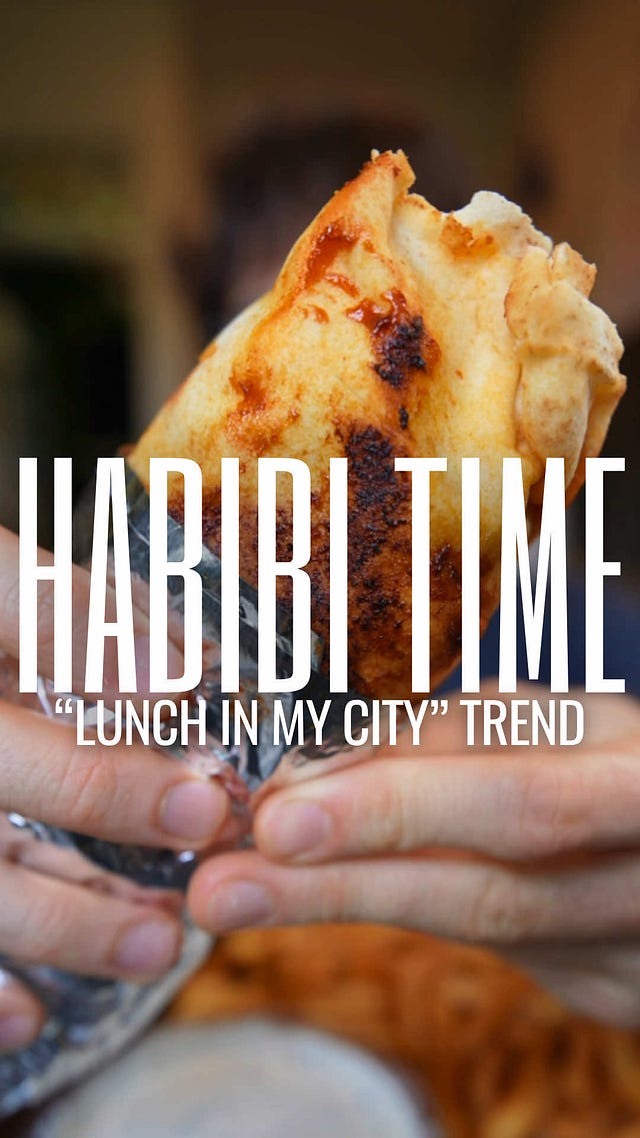
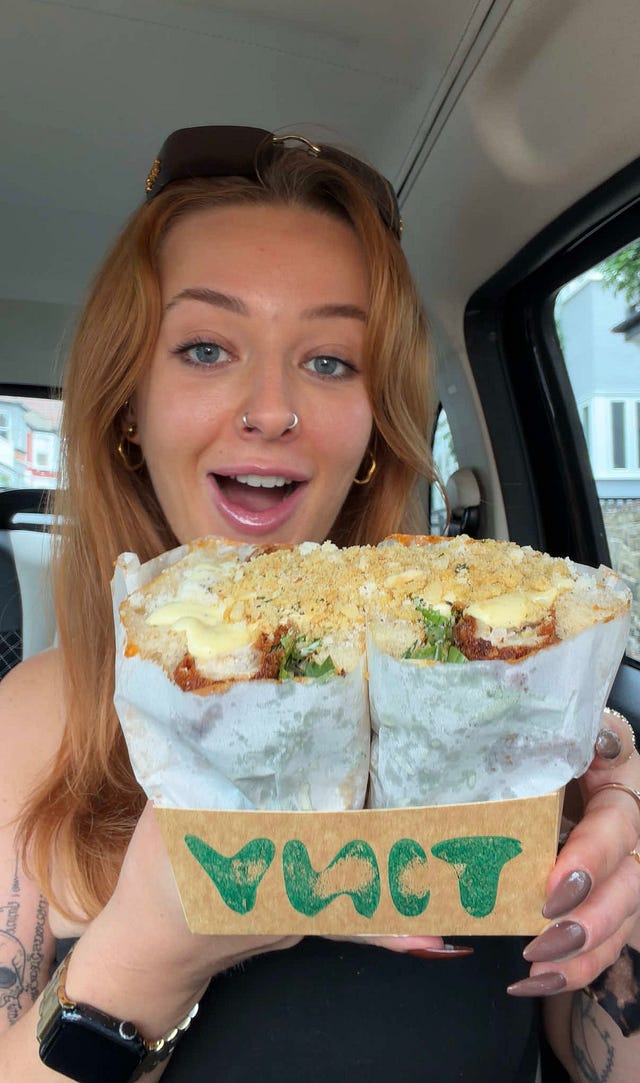
One example, the “lunch in my city” trend that’s been bubbling up over the last few months, is fairly self explanatory. Users are delegating their decision making to the algorithm in order to discover new spots to eat. To participate, simply search “lunch in my city,” click on the first video that comes up, and give the restaurant a try! (TikTok can usually determine your location to show local results; if not, replace ‘my city’ with your city name).
 Tiktok failed to load.
Enable 3rd party cookies or use another browser
The appeal is easy to understand: fewer options to debate, a reason to break your usual lunch routine, a chance to support a smaller local business, and a ready-made video if you decide to document it. There’s also something adventurous and impromptu about the trend. You’re not deciding, you’re throwing it to fate. It’s a low commitment mystery trip.
 Tiktok failed to load.
Enable 3rd party cookies or use another browser
What’s more interesting is that TikTok is carving a piece out of the restaurant space. In August, they quietly dropped their TikTok GO Dining program which allows select restaurants to sell dining vouchers straight on the app that users can simply scan to redeem in-store.
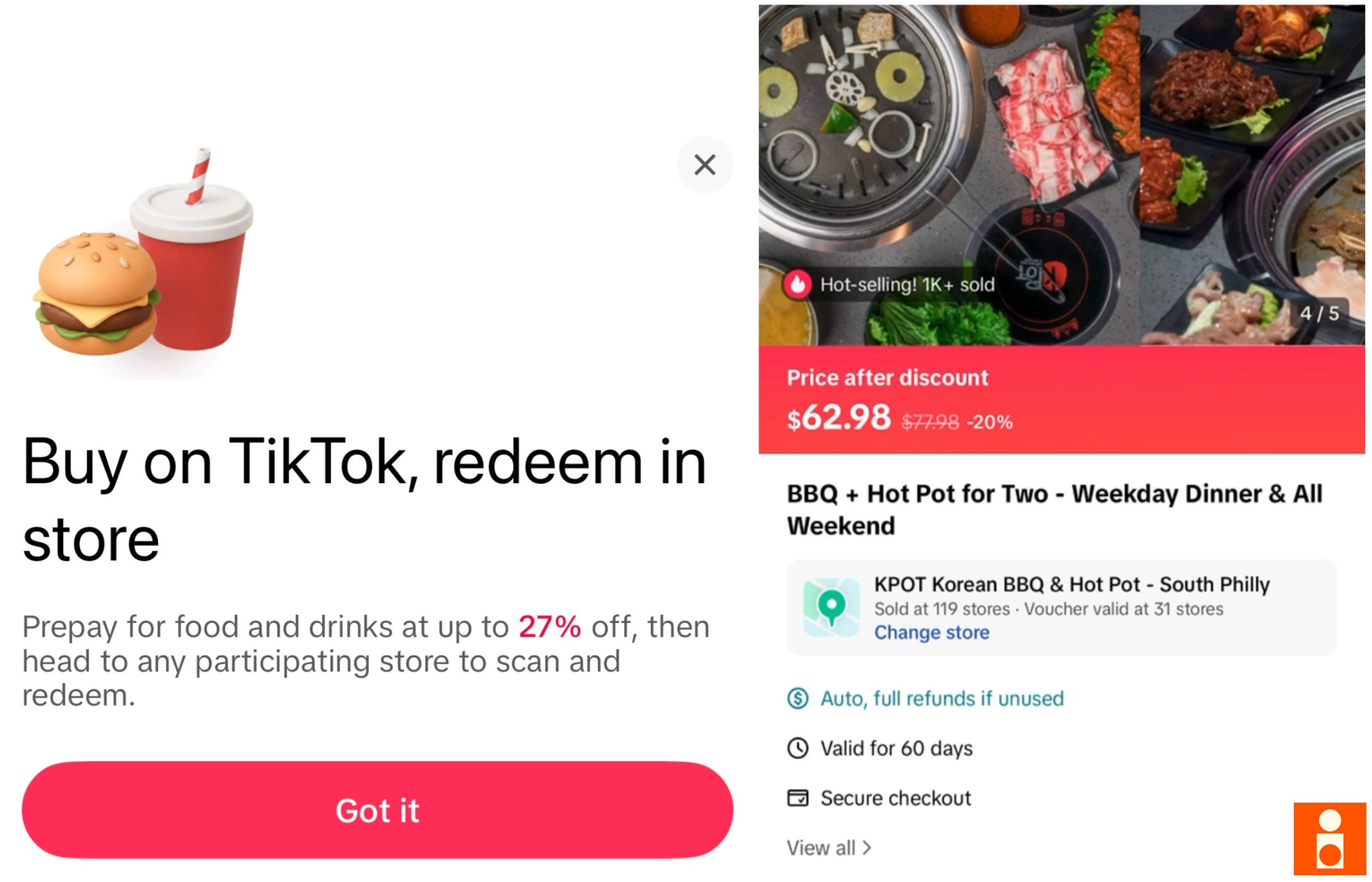
Or as the millennial / Gen X members of our team put it: TikTok has essentially created their own version of Groupon. While the program is currently invite only for a small group of restaurants, if it goes well we expect to see it expand.
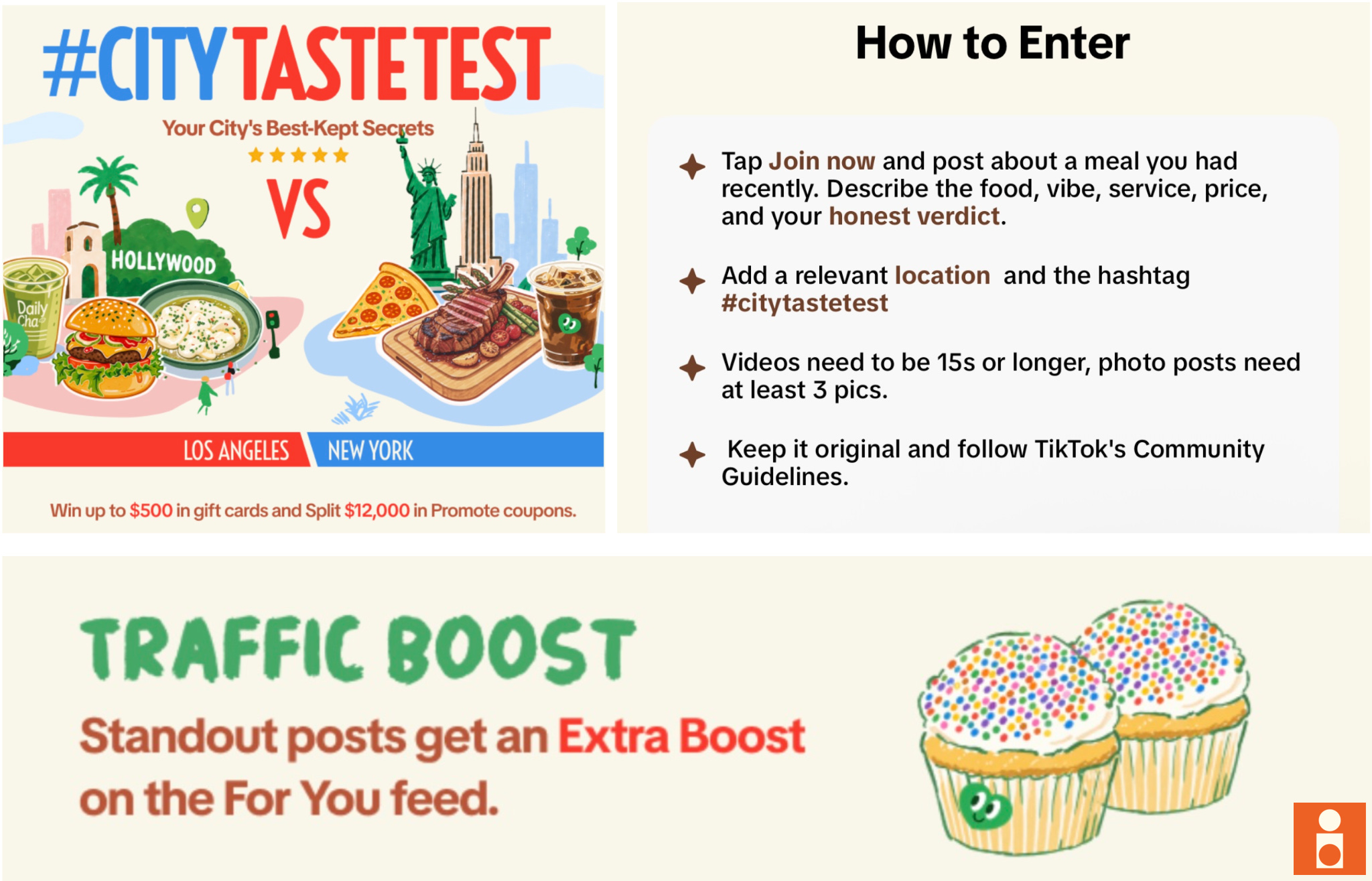
Capitalizing on the “lunch in my city” trend, in September TikTok also began running incentives for creators to post reviews of local restaurants called the #CityTasteTest challenge, offering NYC and LA based creators a chance to win monetary prizes and additional promotion in the app.
The “lunch in my city” trend has already racked up hundreds of millions of views, and has become a global trend from NYC to London to Sydney. (Food & Wine even covered it).
Restaurants can capitalize on TikTok’s push into dining by creating a business account on the platform, and using specific and local keywords in their post captions including location, cuisine type, and key dining occasions. While TikTok might be a small player in the restaurant booking space right now, the platform is quickly working to become a local discovery engine.
From the FYP to NHL Stadium Menu
Many viral food trends have a way of turning strange, impractical, and outrageous combinations into items that spark curiosity, word of mouth, and ultimately, trial. The New York Islanders’ stadium just announced a new lineup of menu items that feel like they’re pulled straight from the depths of our FYP. These over-the-top food items are incredibly shareable on social and make gameday concessions that much more fun.
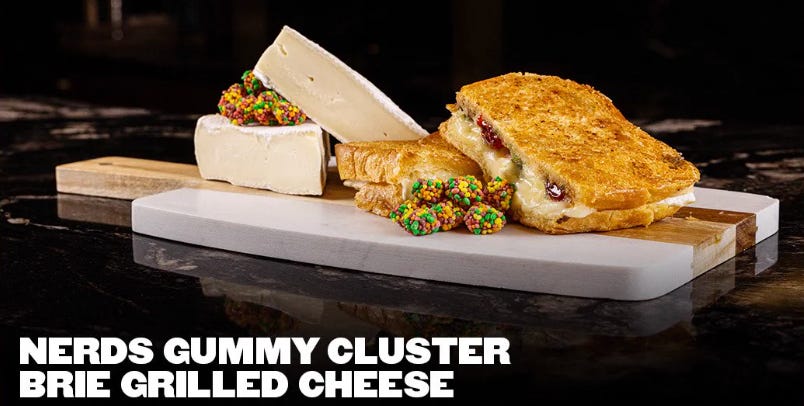
Nerds Gummy Cluster Brie Grilled Cheese: This combination went viral in 2025 with a TikTok by @mitskialtieri and was further popularized by professional cheesemonger @cheezytalkwithmadelyn.
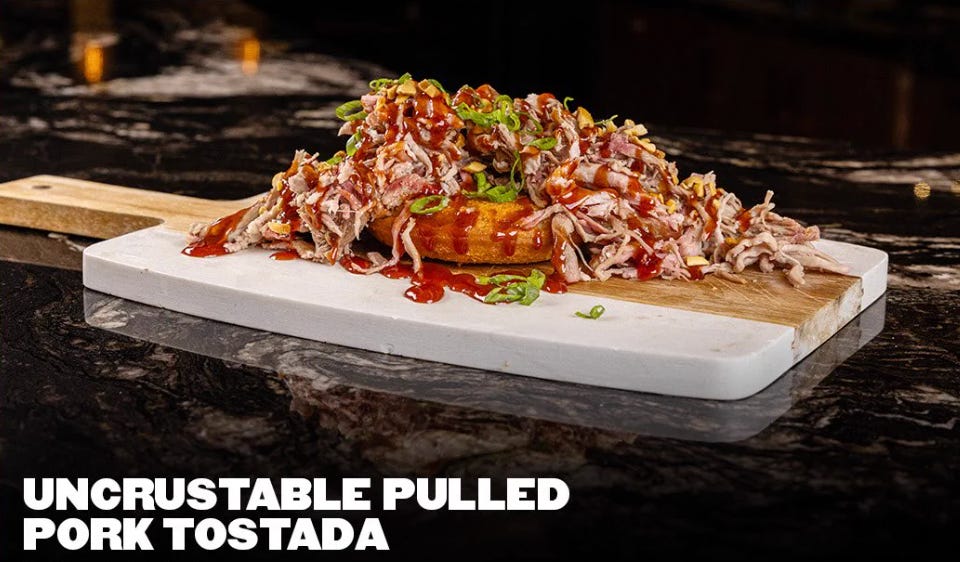
Uncrustable Pulled Pork Tostada: Crustless PB&J’s and other sealed sandwiches have had a big moment this year—from news of their popularity among NFL players, to a swath of better-for-you dupes hitting freezer shelves. This recipe deep fries the PB&J and tops it with pulled pork, chopped peanuts, grape jelly barbecue sauce and scallions.
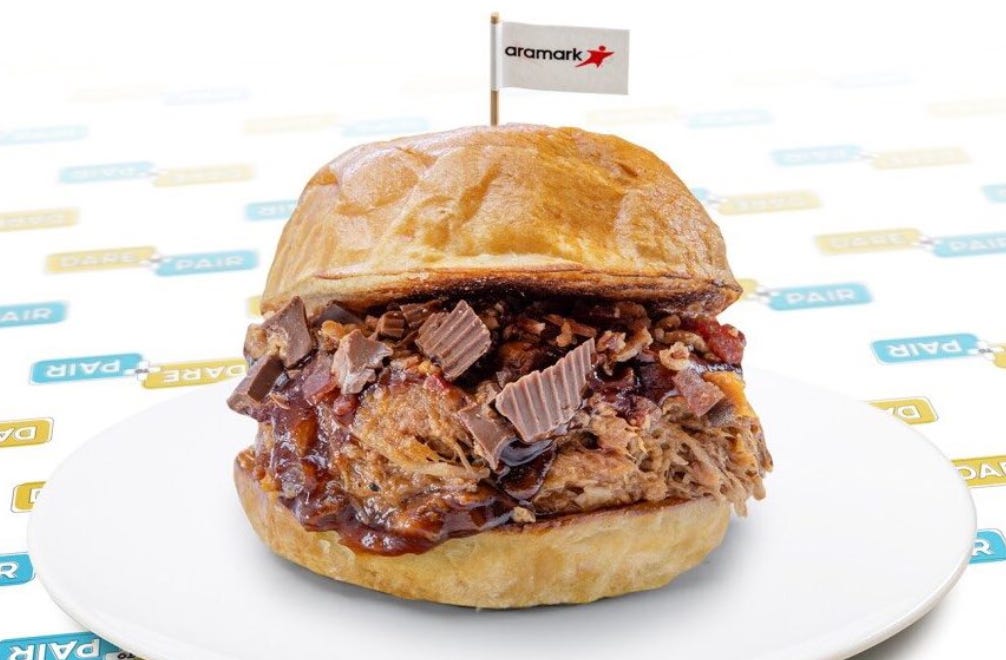
Baseball fans may remember when the Kansas City Royals’ stadium introduced a Peanut Butter Cup Pulled Pork Sandwich that went viral for the wild combination in 2022.
Other trending foods and formats include a Burrata Tater Tot Boat, Crab Rangoon Toast, Ice Cream Nachos, and an over-the-top, two-foot-long, Chicken Parmesan-inspired Stromboli! Read the whole menu in the NHL’s announcement for even more interesting combinations.
Restaurants v.s. AI
For restaurants, using AI food images might save on the cost of a photoshoot, but it can also cost your reputation. Some restaurant owners have been learning this the hard way as their AI signage has become the subject of public shaming.
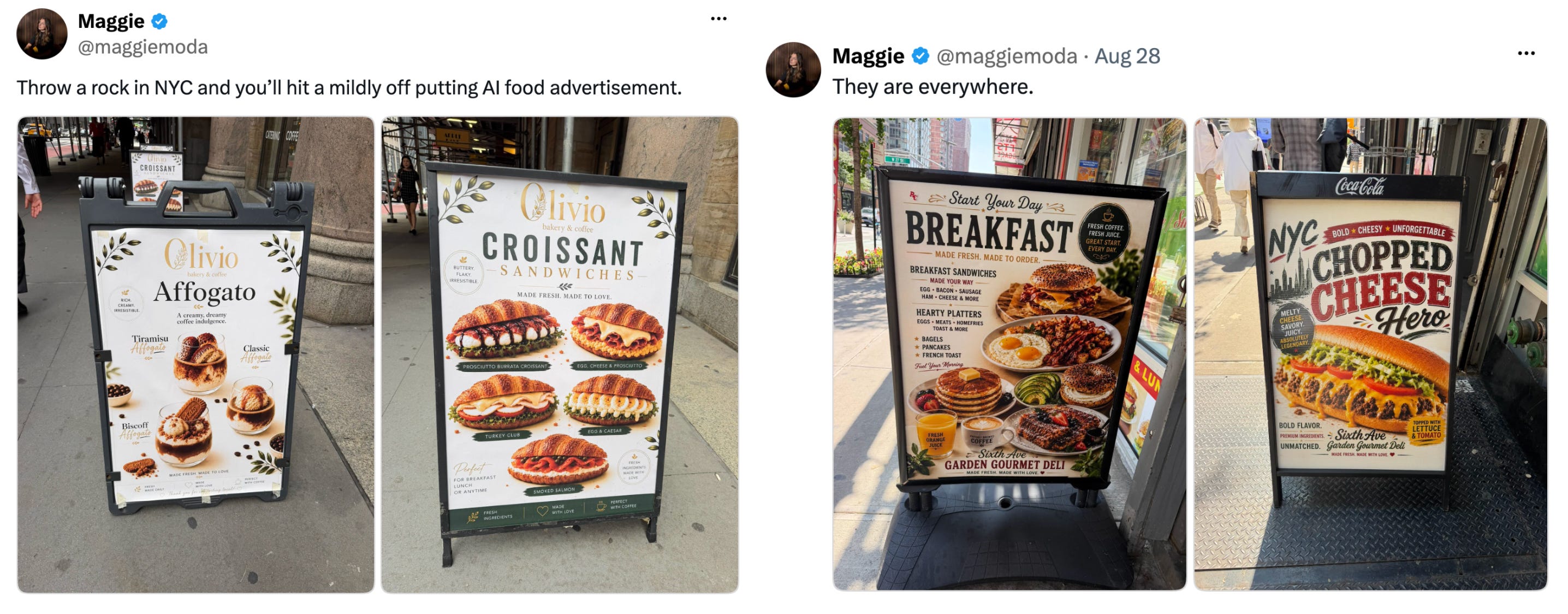
Despite further enhancements to the technology, 2026 has provided a wide array of viral examples of AI food photos making consumers feel a sense of discomfort, distrust, and outright disgust.
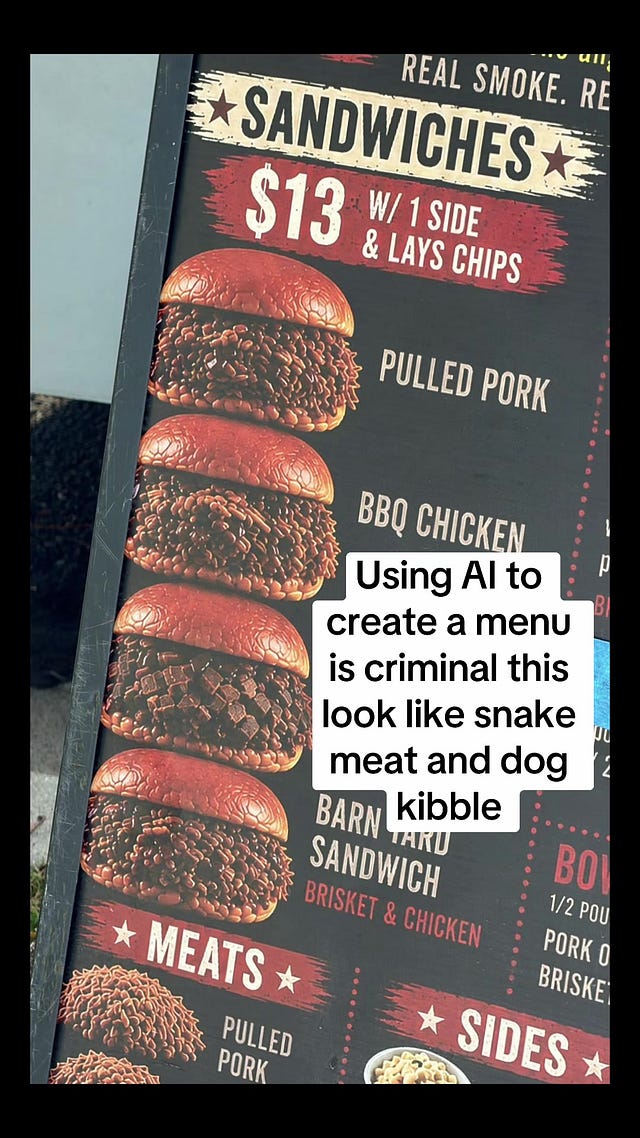 Tiktok failed to load.
Enable 3rd party cookies or use another browser
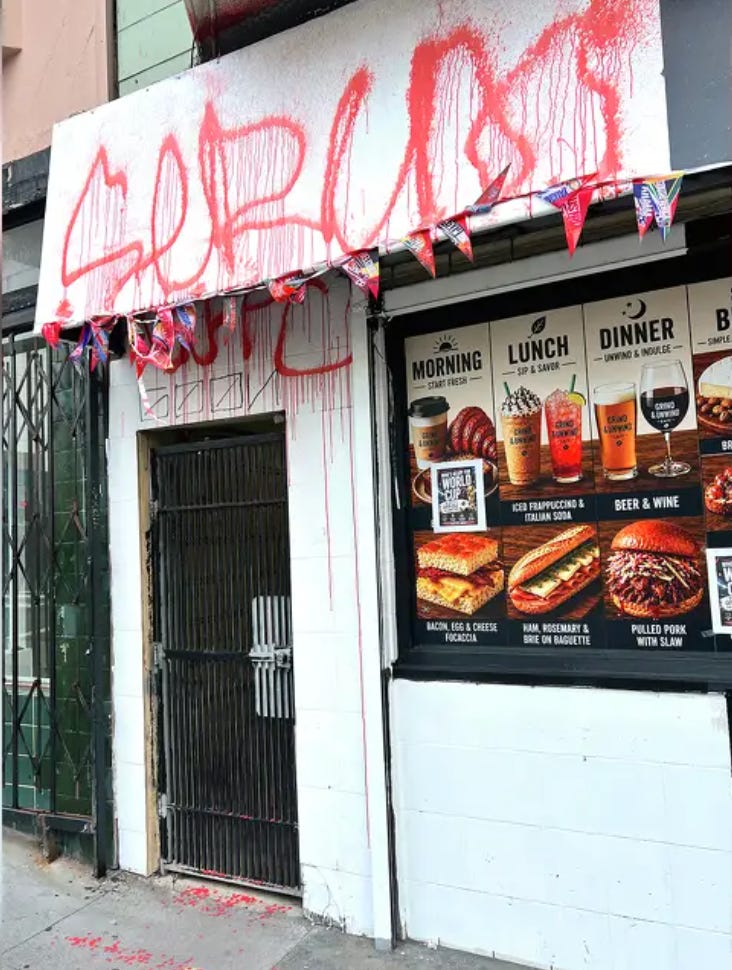
More than ever, consumers dislike the idea of AI images being used to market a product. A study of 241 consumers concluded that AI images “significantly reduce consumers’ perceptions of value and increase their negative [word of mouth]” British Food Journal. The backlash isn’t just online. Taken to the extreme, a San Francisco cafe was vandalized with graffiti after placing a large AI menu in their window.
We warned of backlash against AI food imagery back in June 2025:
For smaller restaurant owners looking to do more with less, replacing an expensive photoshoot with AI can sound tempting. In reality, consumers can tell when food doesn’t look quite right. AI-generated food images often fall into the “uncanny valley,” triggering a sense of unease or disgust because they are almost, but not quite, fully life-like.
Now, a wave of restaurants are participating in a viral trend committing to not use AI in their content.
The posts include a handwritten note on a piece of paper, showcasing the humans behind the restaurant and signaling to their audience that they’re on the same page.
There have also been variations on the trend, showcasing behind the scenes content and mistakes that only a human can make.
The takeaway for restaurants? Show the food you actually serve and the people who make it. A cook finishing a plate, a server sharing a favorite order, or a slightly imperfect shot of tonight’s special gives guests something real to connect with.