

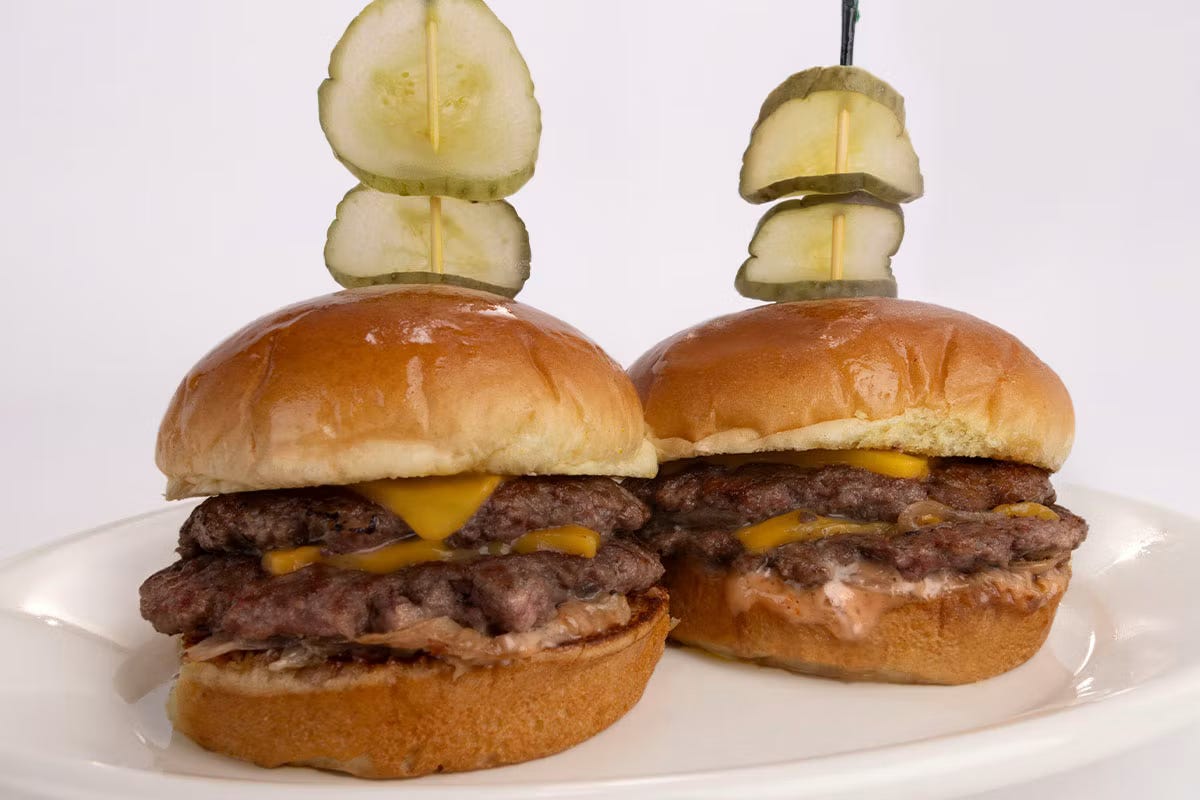
There was a time around 20 some years ago when seemingly every new restaurant was doing small plates. The trend never really died; if anything, it became a cliché. Back as far as 2015 Eater shared a video (from CollegeHumor) “Everything Wrong with Trendy Restaurants”—it starts with small plates, and all too accurately portrays the experience in many restaurants, exaggerated just slightly for comic effect.
Yet small plates remain just as popular today, going by many monikers—most commonly now “bites,” but also “snacks” and “shareables”—the latter not to be confused with large-format main dishes designed for several people. 🤔
As much as some make fun of small plates, multiple forces are making them increasingly attractive to guests and operators alike. The plates may be small, but they offer outsized opportunities to drive both traffic and revenue. Shifting appetites, changing perceptions of value, and consumers’ appetite for discovery give them more reason than ever to endure. Operators just need to remove the friction that gives diners reason to skewer them.
GLP-1s: A Growing Case for Smaller Portions
Thanks to the prevalence of GLP-1 drugs, small plates are more relevant than ever. According to Gallup, an estimated 11% of U.S. adults are currently taking GLP-1 medications for weight loss. That is over 10% of the adult population that is actively eating dramatically less. (And this number is likely to grow with increased access and pill formats.) This sizable group is still going out to eat, but they’re eating and ordering differently.
